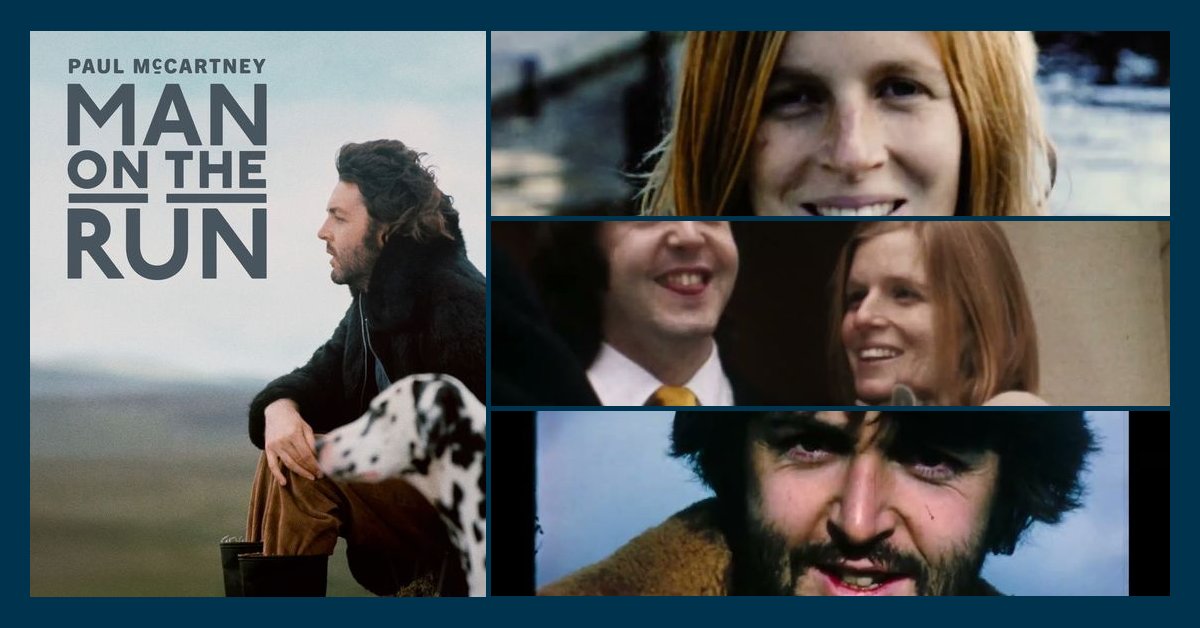

I just walked out of the theater and honestly, I'm feeling this strange mix of nostalgia and revelation. For over two hours, I wasn't just watching a documentary about Paul McCartney—I felt like I was sitting in his living room, looking through his family photo albums while he told me stories I'd never heard. What's sticking with me most is how human it all felt. This wasn't the polished legend we know from stadium stages, but a man trying to figure out what comes after being in the biggest band in history. I'm still thinking about Linda's quiet strength and how much of Paul's post-Beatles identity was shaped by their partnership.
🎬 Watch the Official Trailer
What's Man on the Run About?
Man on the Run is Morgan Neville's deep dive into Paul McCartney's wilderness years right after The Beatles broke up. It follows him forming Wings with Linda by his side, using incredible amounts of never-before-seen home footage. The film charts their journey through the 1970s—the creative struggles, the massive hits, and the personal life that fueled it all. It's less about the superstar and more about the man rebuilding his musical identity from scratch.
What Works in Man on the Run
- ✓ The archival footage is breathtakingly intimate—I felt like I was trespassing on private family moments, especially seeing Paul and Linda just being normal parents.
- ✓ Morgan Neville's direction makes a 127-minute documentary fly by—he finds the narrative thread in what could have been just a nostalgia reel.
- ✓ The focus on Linda McCartney's influence was revelatory. I walked in knowing she was his wife, but left understanding she was his creative anchor.
- ✓ The sound design and music restoration are impeccable. When 'Band on the Run' kicked in during a key scene, I got actual chills.
What Doesn't Work
- ✗ At 127 minutes, it does drag a bit in the middle section about Wings' touring struggles—I caught myself checking my watch once.
- ✗ It feels almost too protective of Paul at times, glossing over some of the more controversial or messy aspects of that era.
- ✗ If you're not already invested in McCartney or 70s rock, the deep dive might feel like inside baseball at moments.
Standout Moments & Performances
There's this one sequence where Paul is showing home movies of him and Linda on their farm in Scotland, just being ridiculously ordinary—making breakfast, chasing sheep. The contrast with his Beatles fame hit me hard. Another moment that stuck: footage from the Lagos recording sessions for 'Band on the Run,' where you see the tension and creative spark happening simultaneously. But honestly, what got me most was a quiet scene where Linda talks about joining the band despite not being a 'real musician'—her vulnerability felt so real I forgot I was watching archival footage.
Main Cast: Paul McCartney, Linda McCartney, Denny Laine, Denny Seiwell, Henry McCullough
Direction, Music & Visuals
Neville is a master at weaving archival material into a coherent story. The way he transitions between grainy home movies, concert footage, and modern interviews feels seamless. The color grading on the old footage makes it feel immediate, not dated. But the real star is the audio—they've restored these decades-old recordings so clearly you'd think they were made yesterday. The performances, especially from Paul and Linda in the interviews, don't feel rehearsed. There's a rawness to Paul's reflections that surprised me—he still gets emotional talking about that period.
Director: Morgan Neville
Genres: Documentary, Music
Who Should Watch Man on the Run?
This is perfect for music documentary lovers, obviously Beatles and McCartney fans, but also anyone interested in creative rebirth. If you enjoy stories about artists rebuilding after massive success, or partnerships that redefine people, you'll find plenty here. It's also great for people who think they know the Beatles story but want the chapter that usually gets skipped over.
Who Might Want to Skip?
If you're looking for a critical expose or dirt on The Beatles breakup, this isn't it. Also, if you have zero interest in 70s music or documentary formats, the runtime might feel like a commitment. This is a character study more than a scandal sheet.
Final Verdict
I'd definitely recommend it, especially if you can see it in a theater where the sound and footage can really immerse you. It changed how I view McCartney's solo work—I'll never hear 'Maybe I'm Amazed' the same way again. Would I watch it twice? Probably not in full, but there are scenes I'd revisit. It's a warm, insightful portrait that fills in a missing chapter of music history with genuine heart. Not perfect, but genuinely moving.